
Ahtziri's Page
This is a blog page!:)
This is a blog page!:)
Jalisco state is located in south-central Mexico, one of the Mexico Pacific States that sit on the Pacific Ocean. These states have some of the best beach towns in Mexico, including Puerto Vallarta and Yelapa, as well as Jalisco’s capital, Guadalajara, and the the pueblos magicos (magic towns) of Tequila, Ajijic and San Sebastian del Oeste.This depends on where you’re headed. For travel in the northern part of the state, like Guadalajara, Ajijic and Tequila, you’ll want to fly into Guadalajara International Airport (code: GDL). If you’re visiting the Jalisco beaches, like Puerto Vallarta, Yelapa or the Coast Alegre, use Puerto Vallarta International Airport (code: PVR).
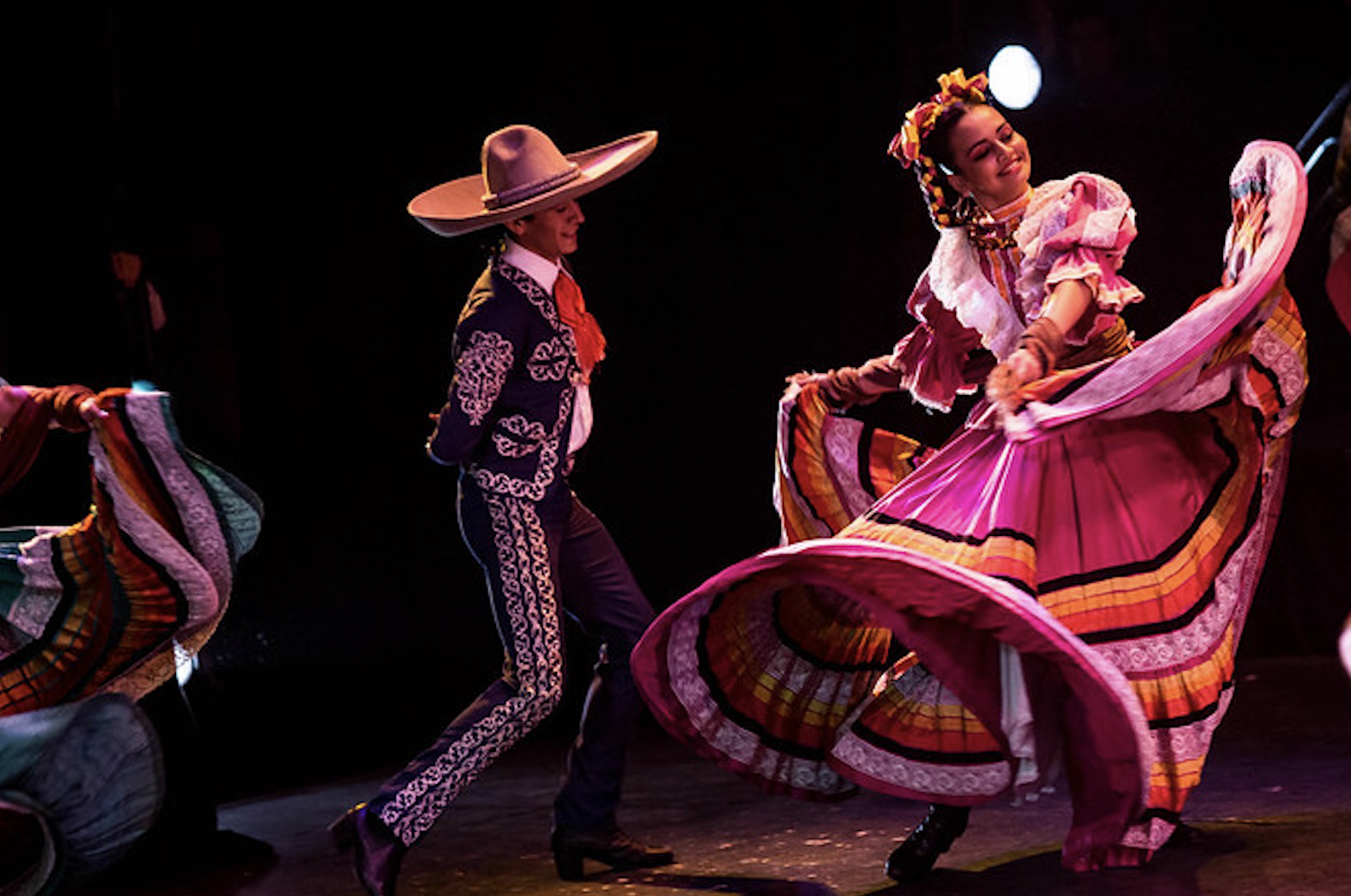
Many well–known Mexican icons—including sombreros, rodeos, the Mexican Hat Dance and mariachi music—originated in culture–rich Jalisco. It’s also the birthplace of tequila. The state is the second largest urban area in Mexico. It has grown to encompass several smaller municipalities, including the traditional Tlaquepaque, the affluent Zapopán and the colonial towns of Tonalá and El Salto. Guadalajara is home to some of Mexico’s finest universities, such as Universidad Autónoma de Guadalajara, Universidad de Guadalajara and ITESM Guadalajara.
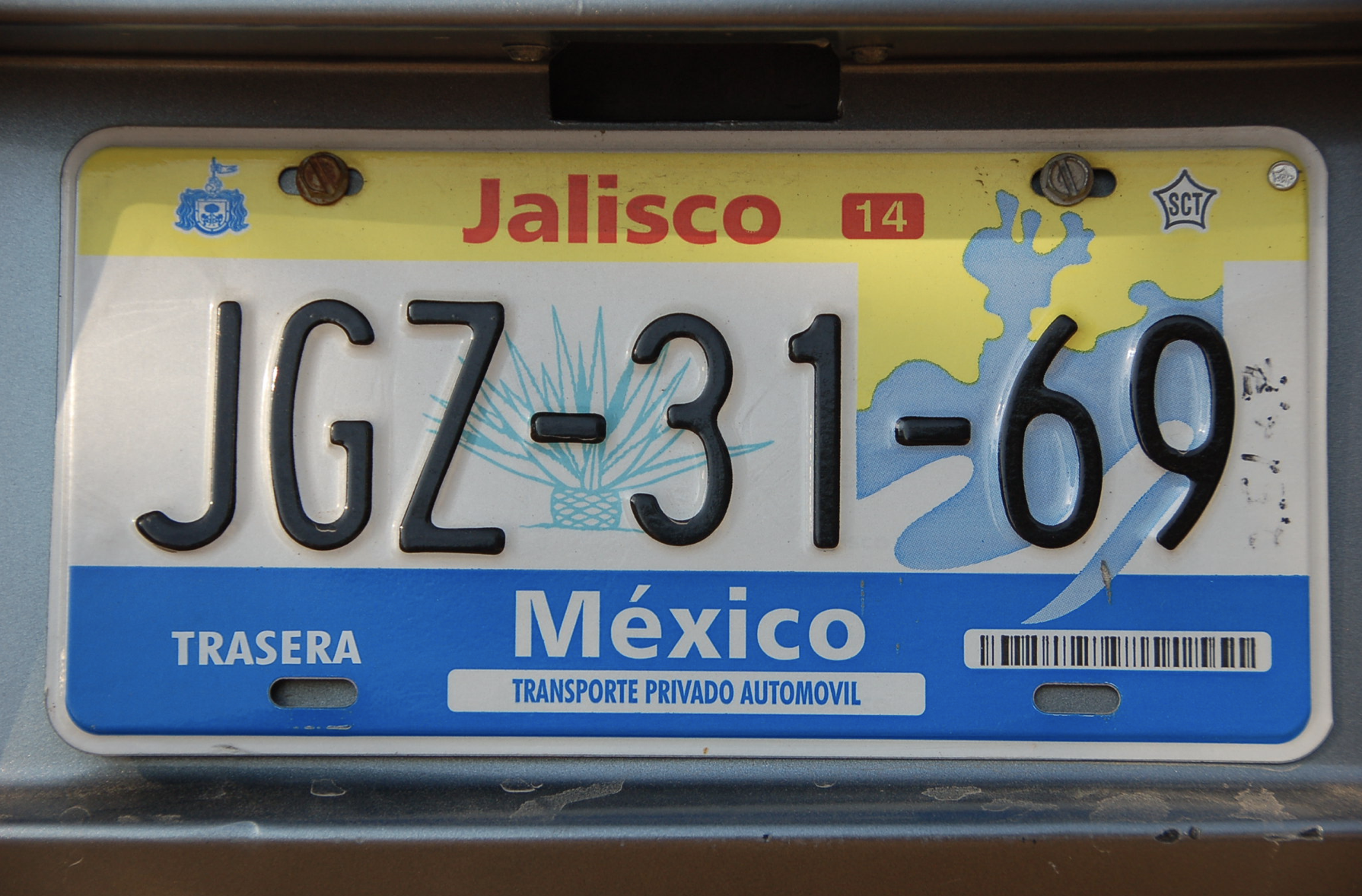
Around the world, Mexico is known for three things: tacos, Corona and Tequila! Having spent a few weeks in Mexico, I had already enjoyed eating large amounts of tacos and washing them down with ice-cold Coronas, however, I was missing the tequila! Tequila to Mexicans is like Champagne to the French – only tequila made in the region are able to claim the name.So naturally, you need to go to Tequila (the town) to be able to see how true tequila is made and get the best stuff!
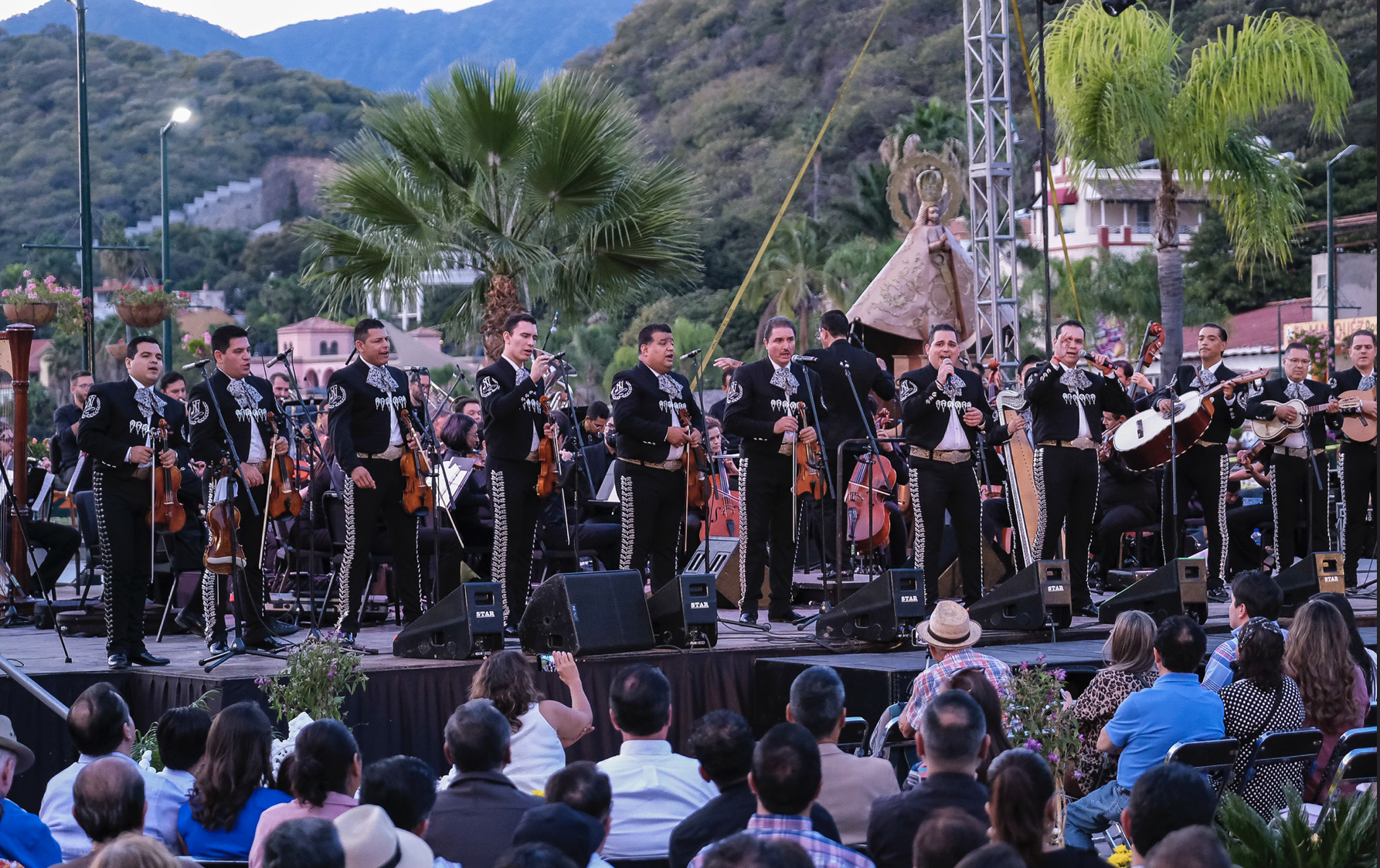
Tequila, Jalisco is a small town in Mexico which is famous for one thing, you guessed it – tequila! So, if you want to sample some of the best tequila in the world and see how it’s made, then keep reading…this blog is my ultimate guide to the town of Tequila, Jalisco including things to do, where to stay, how to get there, and where to get the BEST tequila!
The city of Zacatecas is capital of the state of the same name. This UNESCO-listed city is the northern-most of Mexico’s major historical silver mining towns. It is a picturesque town with lovely pink limestone buildings and a fascinating history that began in the 1540s when a silver lode was found here.
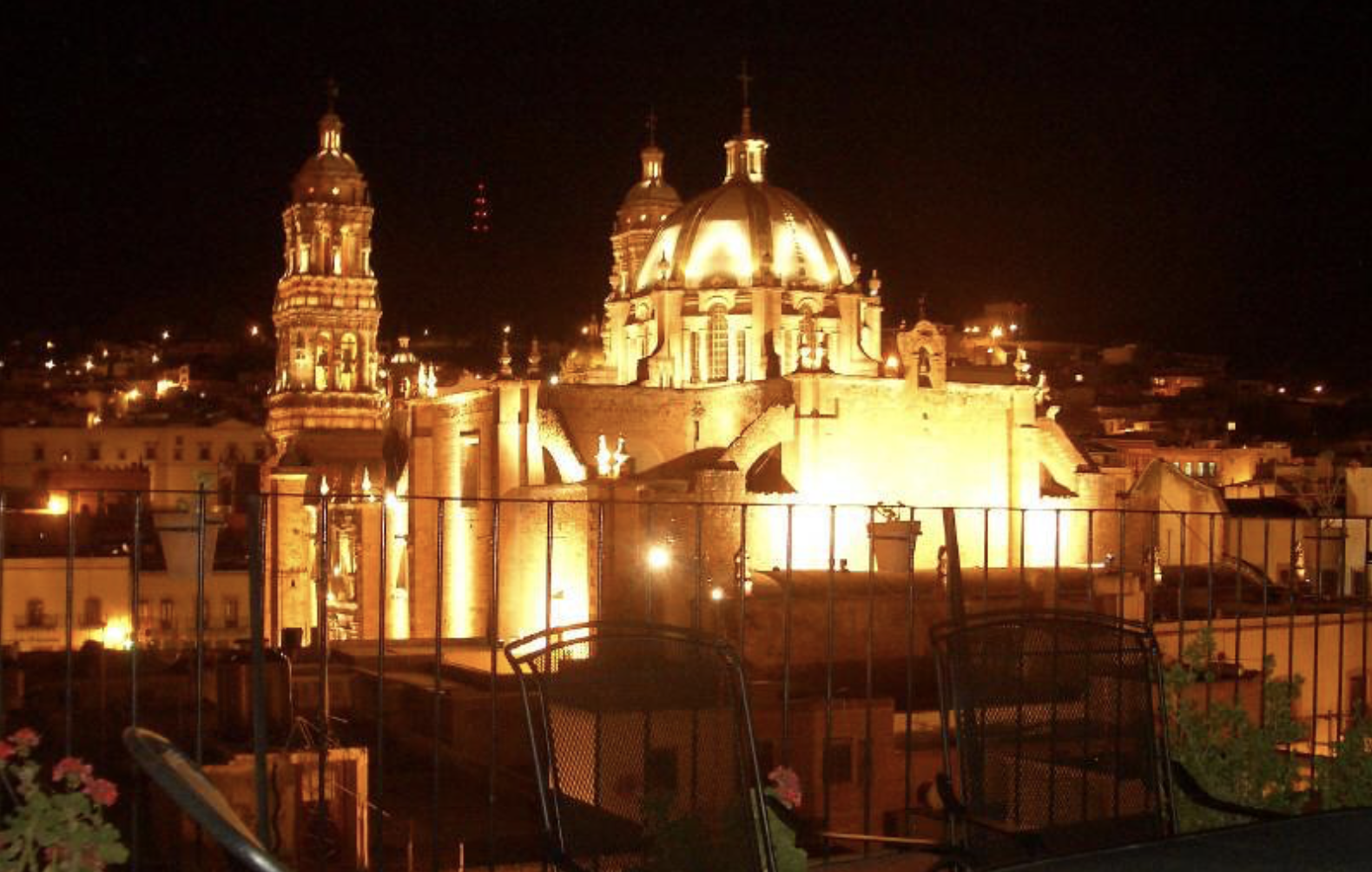
When in Zacatecas, take a tour of the old mine, Mina El Eden There you can learn about Zacatecas mining history, ride a mining cart, and visit the museum of rocks and minerals that’s located inside the mine. After exploring the world below the surface, make your way up to Cerro El Grillo to ride the teleferico and enjoy the view from above. The teleferico runs between two peaks on opposite sides of town, Cerro El Grillo and Cerro de la Bufa. Both were important strategic locations during the Battle of Zacatecas in 1914. This was a key battle in the Mexican Revolution, when Pancho Villa’s Division del Norte defeated the troops who supported President Victoriano Huerta. The ride only takes seven minutes, but that’s enough time to take in the panoramic views of the city and the rugged desert landscape beyond.
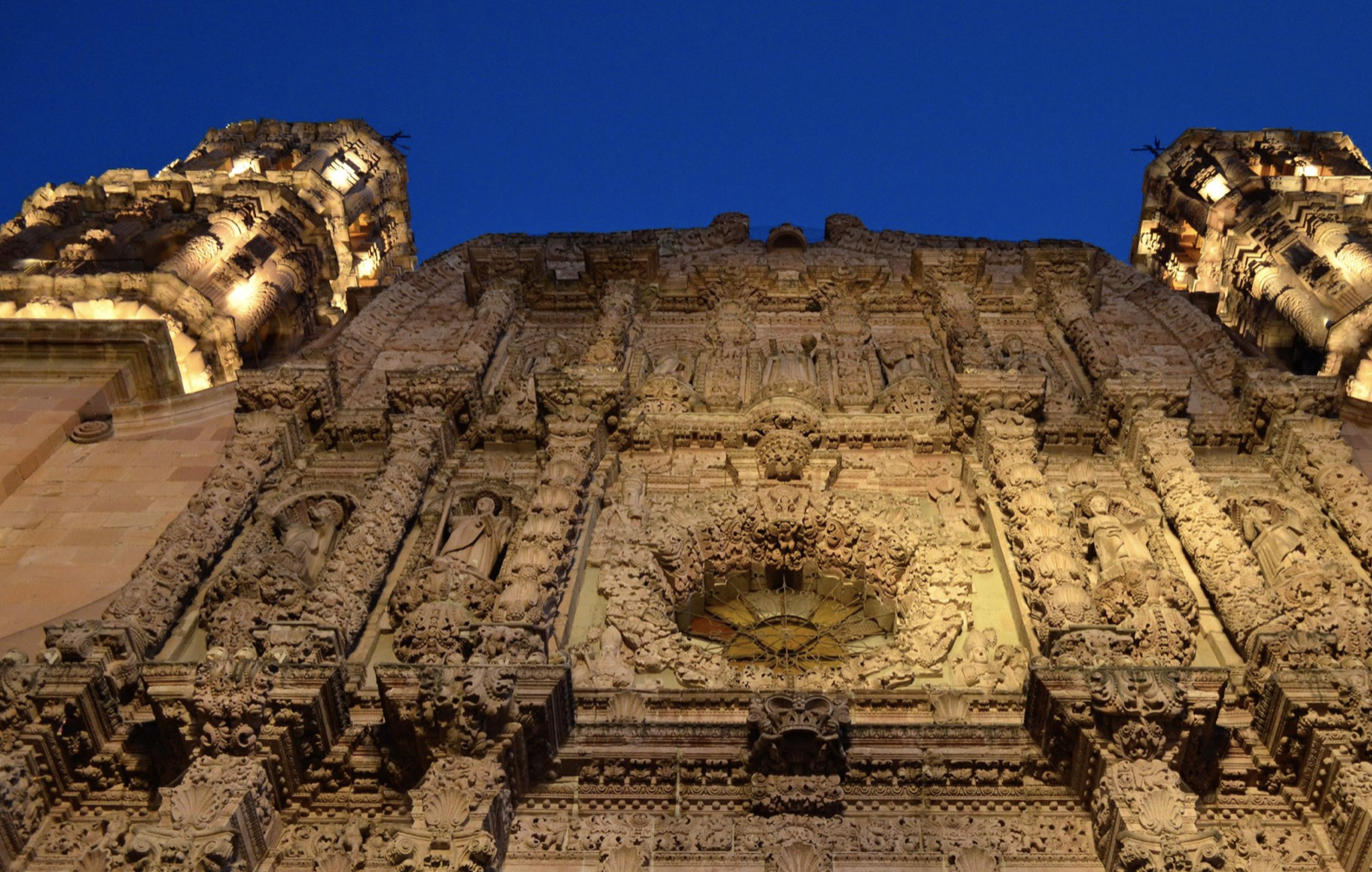
Getting off the teleferico at Cerro de la Bufa you’ll find the Museo Toma de Zacatecas, a museum that tells the story of the fateful battle. There’s also a plaza at the top of the hill, “Plaza de la Revolución,” with large statues of the victorious revolutionaries Pancho Villa, Pánfilo Natero and Felipe Angeles astride their horses.
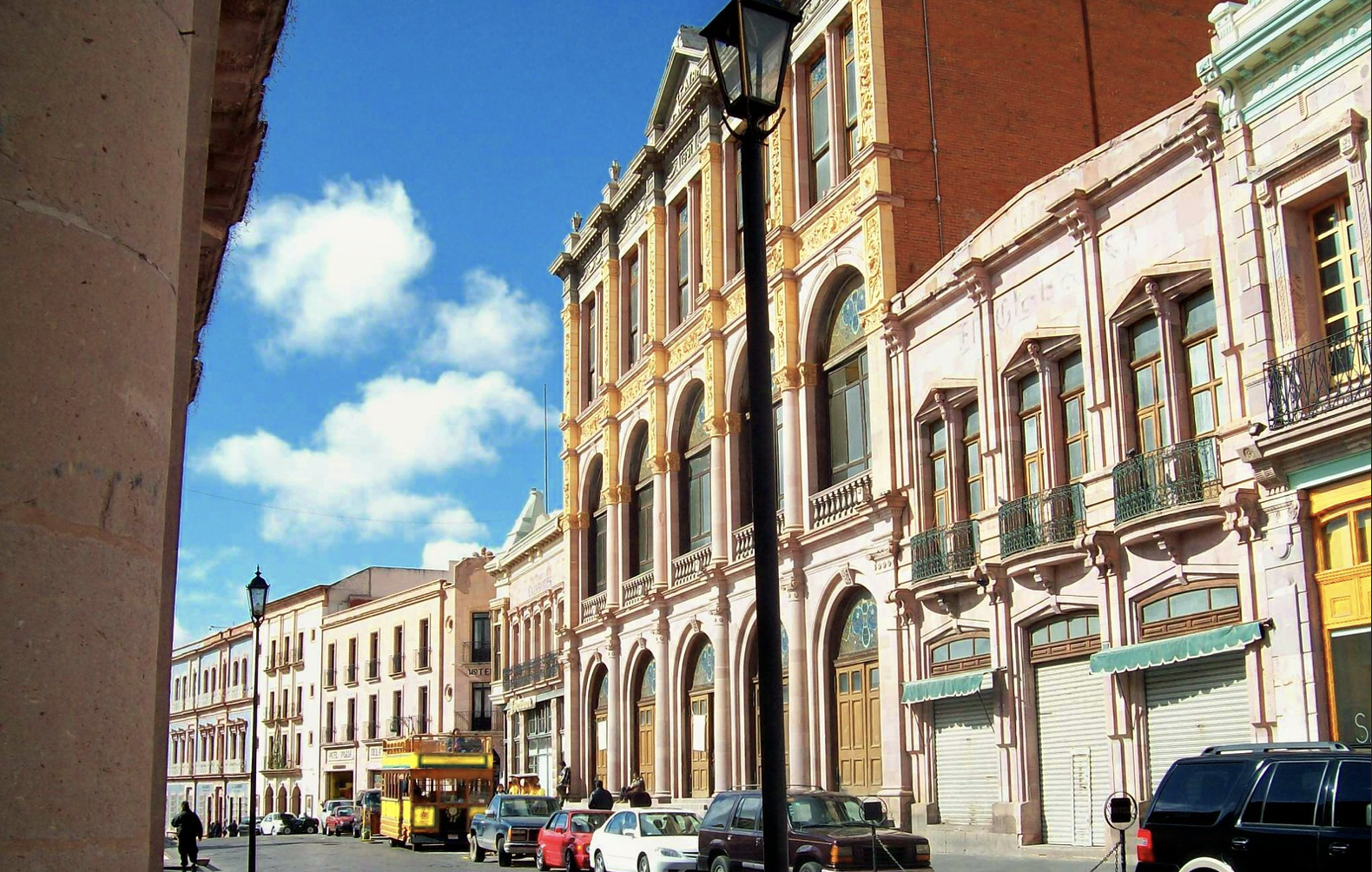
This city is not all about the past; there are also many cultural festivals that take place throughout the year. One of them, the Festival Cultural Zacatecas , is taking place right now and will continue until April 10, spanning the two week Easter holiday. This year’s program includes over 500 events including performances by Juan Luis Guerra, Armando Manzanero and Peter Ceterra.
Picking a place to stay in Mexico City can be overwhelming. You’ve got lots of choices when it comes cute hotels and neighborhoods. The city is expansive, covering over 500 square miles and housing close to nine million residents.
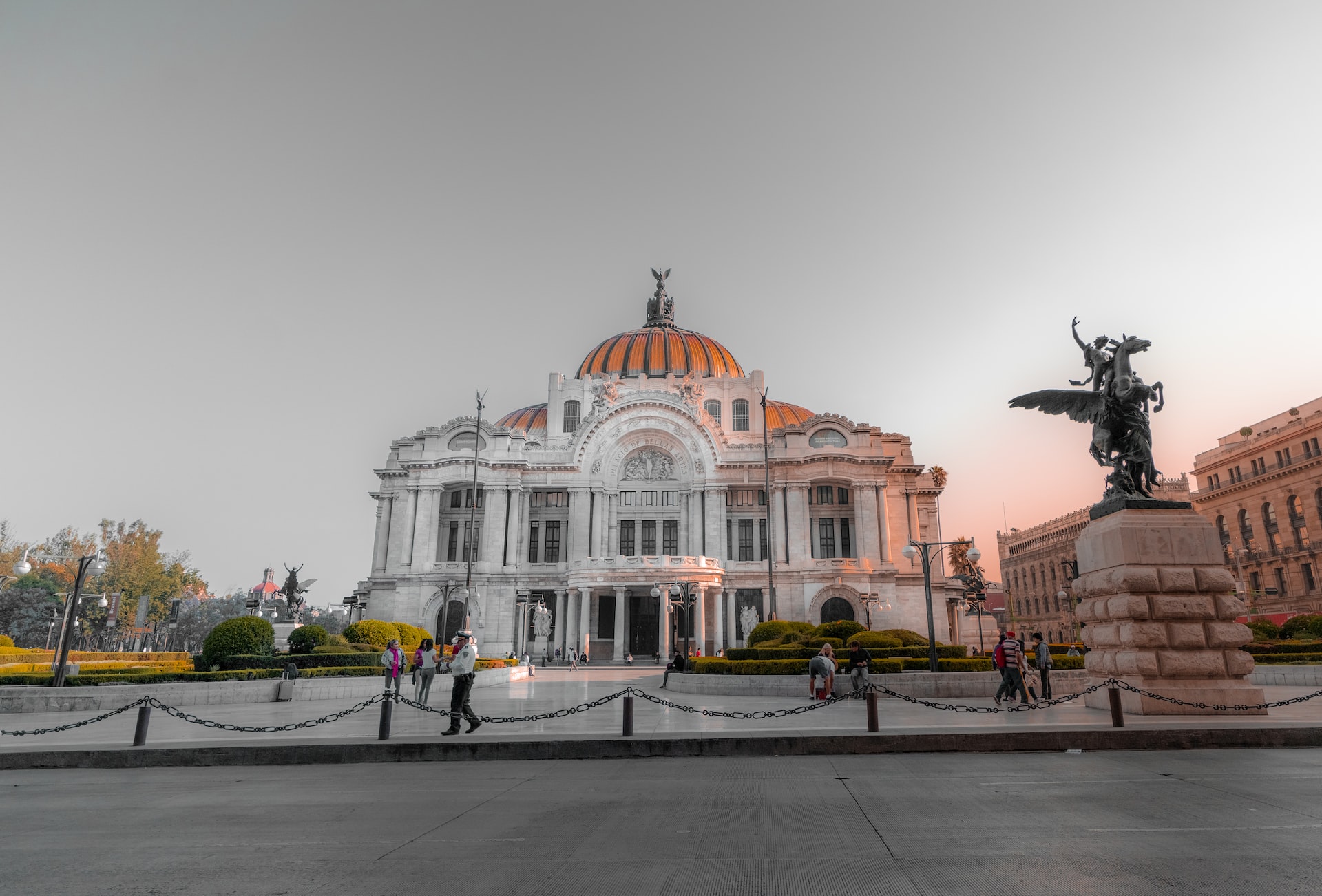
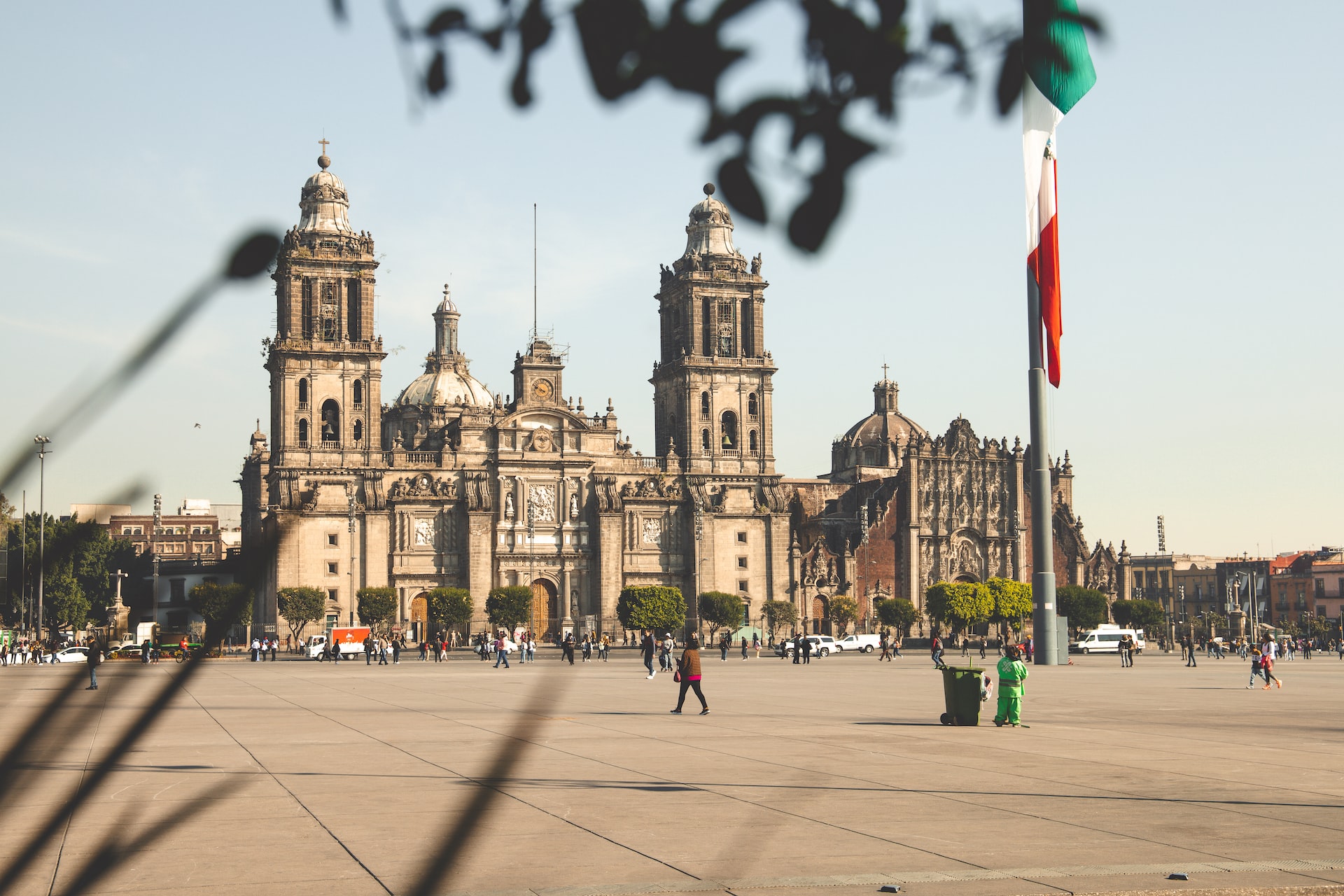
Until the 1900s, what is now the historical center of Mexico City was the city, and the rest was all outskirts. The Aztec heart of Mexico City still beats in the city's center: here you can see visit the ruins of the main Aztec temple, Templo Mayor, right beside the magnificent cathedral, wander the Zócalo and see murals by Diego Rivera inside the government palace. Walking through the streets you'll come across a wide variety of palaces and churches dating to the colonial period as well as more recent constructions, including the grandiose Palacio de Bellas Artes. A great way to get a look from above is by going to the top of the Torre Latinoamericana.
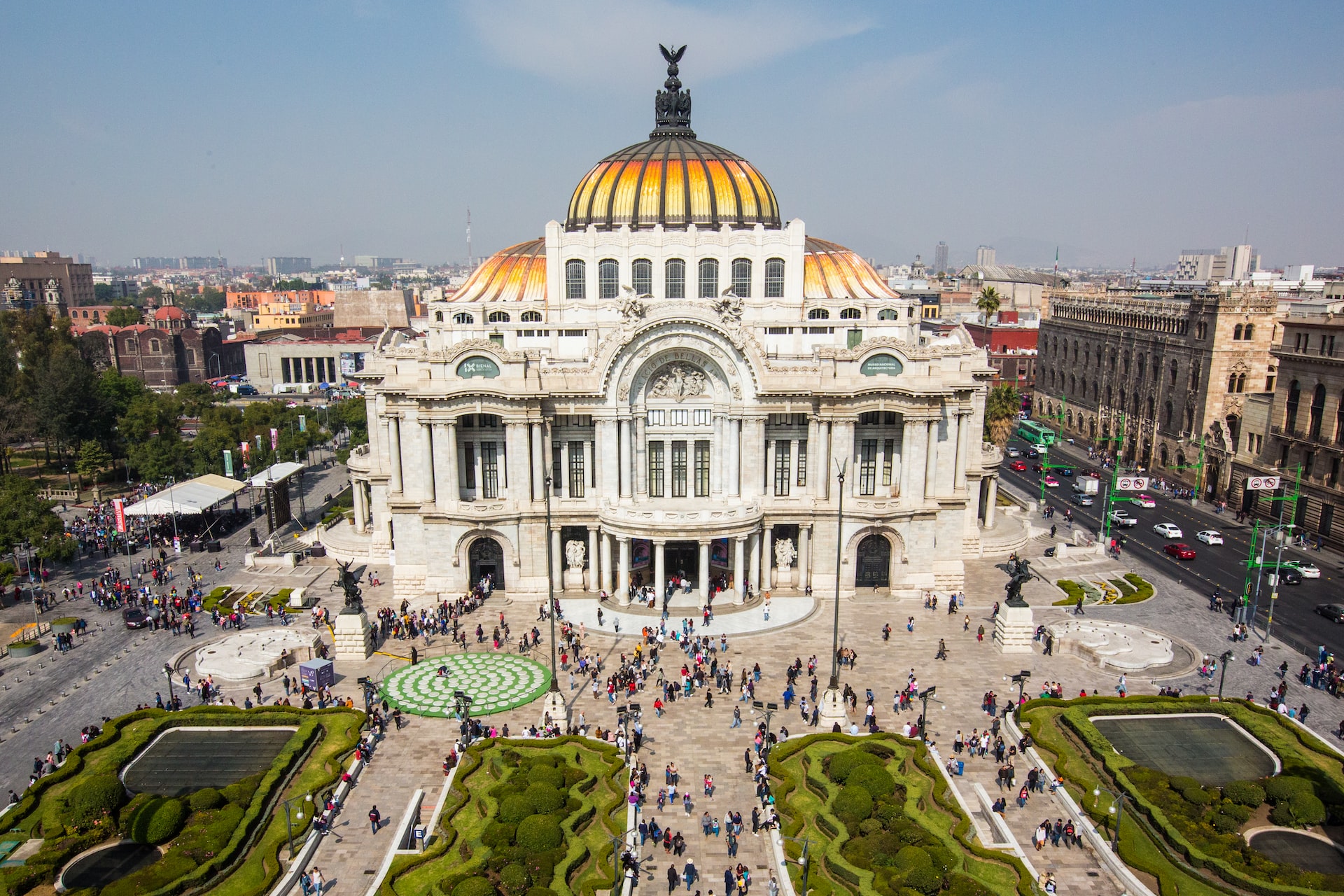
Mexico City's swankiest neighborhood, Polanco, is famous for its designer shops and upscale restaurants—many of which are situated on the fancy Avenida Masaryk, named after a Czech president. This is one of Mexico City's most diverse neighborhoods, with large Jewish and Lebanese communities. Visitors interested in gourmet cuisine will come to Polanco to dine at Pujol, and those wishing to stay in an upscale, chain hotel may choose the W Mexico City or the Intercontinental Presidente in this area.
Having the impressive Polanco district as its home, the Las Alcobas is high on the hotel ratings lists. This is the right pick for those of you who aren’t looking for the small, b&b feeling, but still want the perks of good design and personal touches. Their service stands out as they are particularly helpful in showing Mexico City around to tourists, since this is the type of hotel that sees lots of business travelers.